God gave you free will. That is why wisdom has value. Some choices are better than others.
Can you drive a nail with a screwdriver? Can you turn a screw with a butter knife? Can you walk through snow in flip-flops?
Of course you can. But there are better tools for those jobs, and better uses for those tools.
But this is a photography blog. So let's talk cameras.

I finally replaced my useless and buggy cheap Samsung with a decent
camera phone. Prioritising having a decent camera with me over any other feature I went for the only camera with more megapixels than a Nikon D800e. Yes, the Nokia Pureview 808. Understandably my non-photographer wife now wonders why I even bother bringing a "real" camera anywhere. But really, as impressive as the specs are it is simply a sketchbook in photographic terms. If I want to create anything lasting and meaningful I still need my easel and oils.
But what are my various cameras' personalities. What do they
want to do?
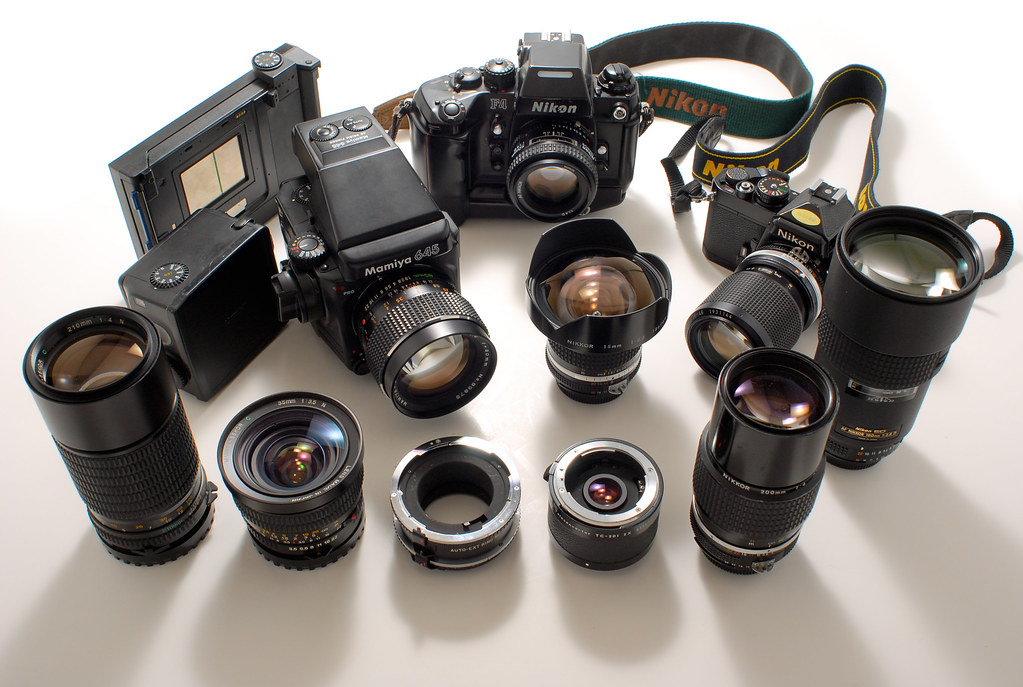
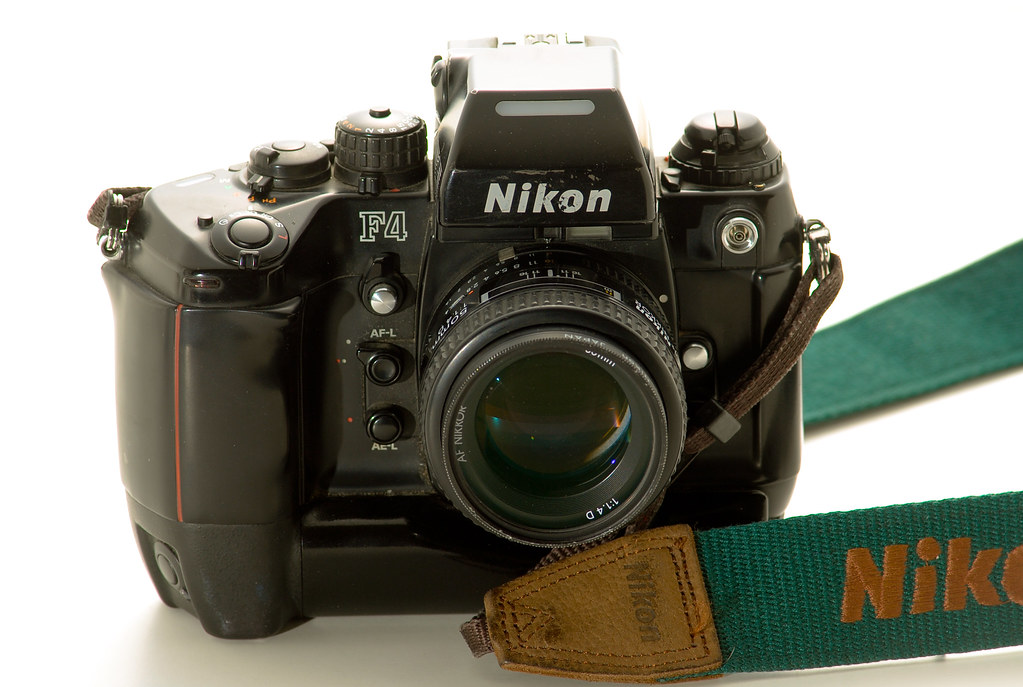
Well, the easiest to characterise is my Nikon F4S. It is a lot like a Range Rover. As ready for a farmer's field as for the valet at the Ritz. Heavy but hardy, precise in all its actions, utterly reliable. The fast autofocus and magic matrix meter takes the worry out of any fast moving situation. Responsive controls allow quick manual intervention whenever needed or wanted. The price being weight and complexity.
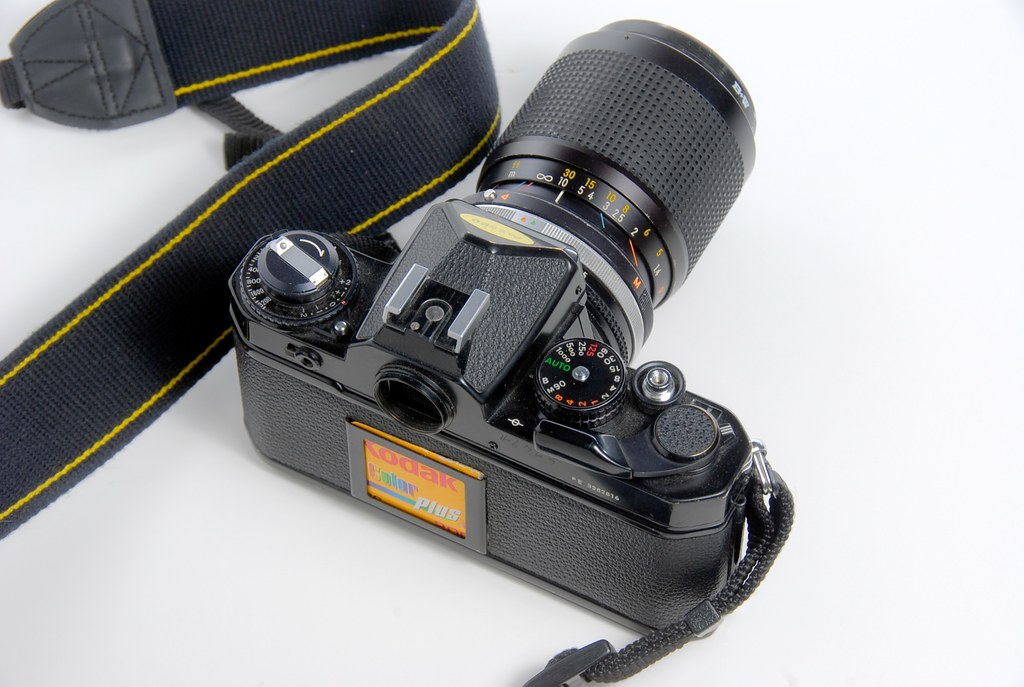
If we continue the metaphore then I suppose my Nikon FE is a bit like a well kept Land Rover Defender. Still quite respectable but much more simple. It is not quite as ready for any task but the tasks it does do it does with even more bullet proof reliability. Because it lacks the features of the F4 the controls are simple and immediate. Feedback is quick and sure. Through its simplicity it becomes utterly predictable. This allows it to "disappear" in use in a way that a more complex and automated device cannot.
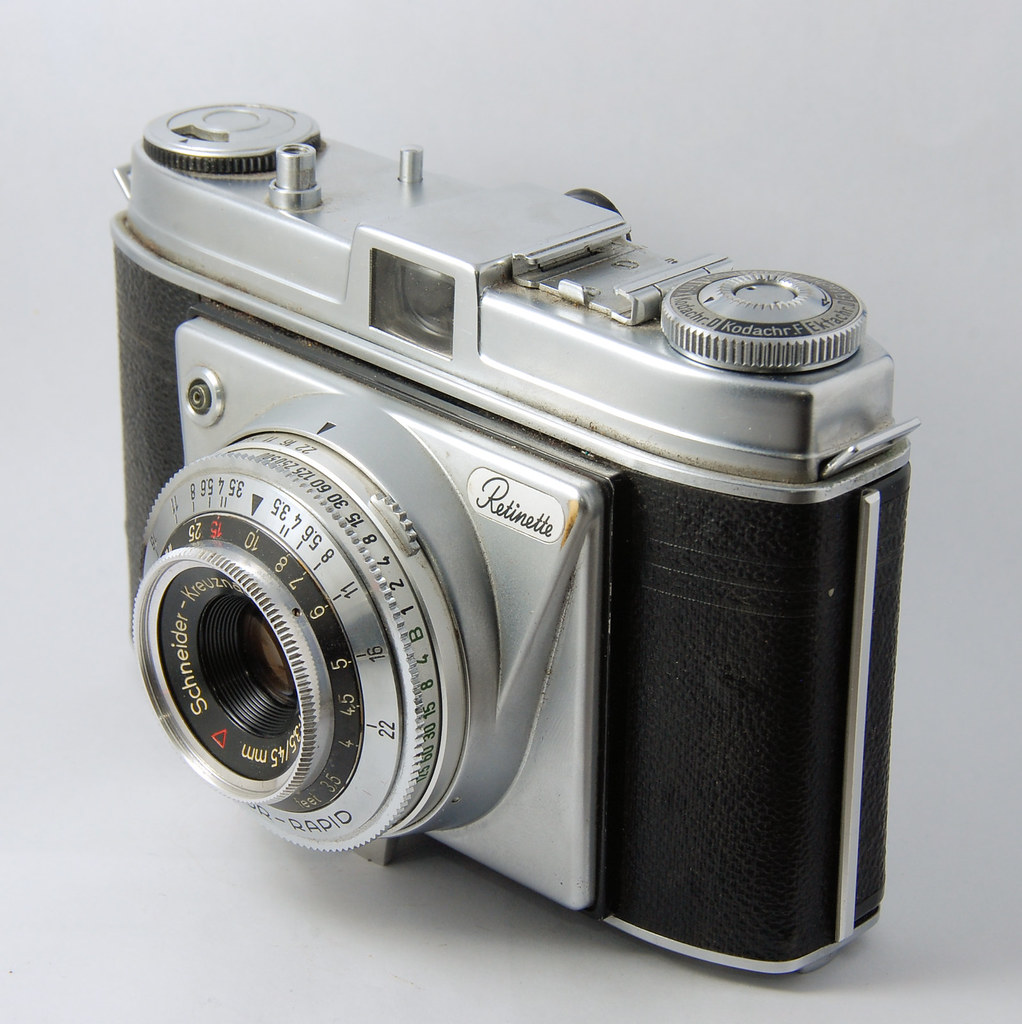
The last of my 35mm cameras is the simplest. Being basically, even in its day, merely a well built tourist camera; the Kodak Retinette is simple in the extreme. I would liken it to a single barrel shotgun. With no sights. It is the last thing you would want if you need to frame precisely or perfectly nail the exposure. However, if you need to quickly blow a hole in something, a shotgun is very handy. The Retinette does not try to meter or focus or anything meaning it is always instantly ready. You simply set the exposure you expect and the focus distance you anticipate. When the time comes you simply point in the general direction and pull the trigger. Response is always instant.
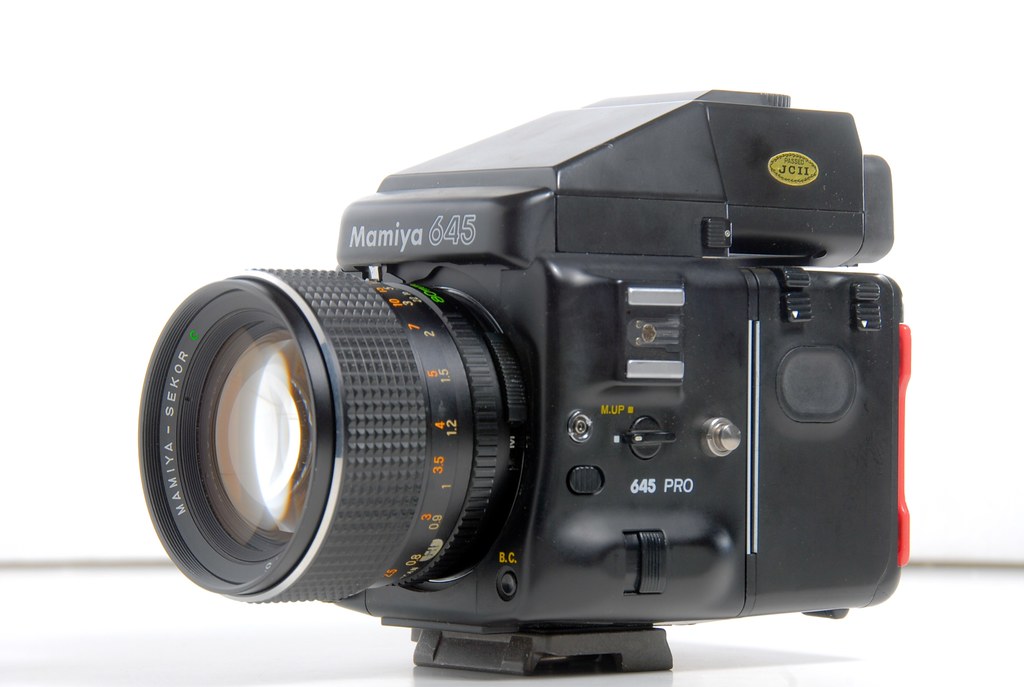
Moving into more specialised territory, we hit my medium format system based around my Mamiya M645 Pro. This camera is something like a Corvette. It is clearly superior in image quality and ability to any of the mere 35mm cameras. But it is no Ferrari. That title would have to go to the "premium" members of the medium format fraternity like the Hasselblads and Rollies. However, like the scrappy Corvette, it approaches the superior abilities of the more exotic and expensive premium makes. However, like the Corvette, it lacks the finesse, build quality, and ultimate satisfaction level of those machines. It is the performance machine for a fast driver on a budget.
The Mamiya is a tool for professional use. You
can start it in gear. It does
not have anti-lock brakes. If it backfires while you are kick starting it then it
will break your leg. If you leave the lights on when you shut it off it
will leave you stranded at the trailhead later that night. If it doesn't start right away then you
will flood the engine. It is much easier than the 35mm cameras to get wrong. Using it properly takes more steps. When things go wrong, it is less obvious what you are not doing right. But then, doing the week's shopping is a bit of a chore in a Corvette also. People buy them for what they do well and that is go fast. The Mamiya, if properly driven, spits out frames that no 35mm camera can touch.
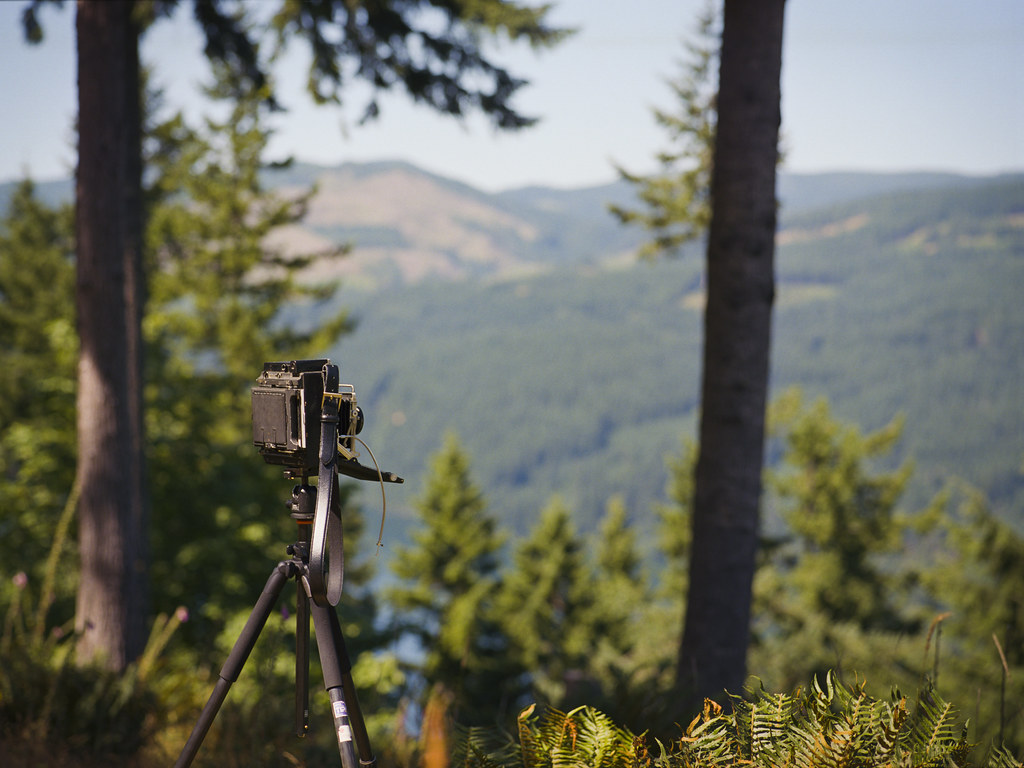
What would the Crown Graphic be analogous to? It is definitely my most extreme machine. I guess it would be something like a semi with a flatbed trailer. Can you move the contents of a shipping container in a normal car or truck? Well, sure. If you don't mind making 100 trips. However, it is much easier and more sensible given that requirement to simply load it on the back of a semi and drive it to where you want it to go.
Would you go shopping in a semi? Would you race it or drive it off road? Well, you could. But you wouldn't. The Crown Graphic is a bit like that.
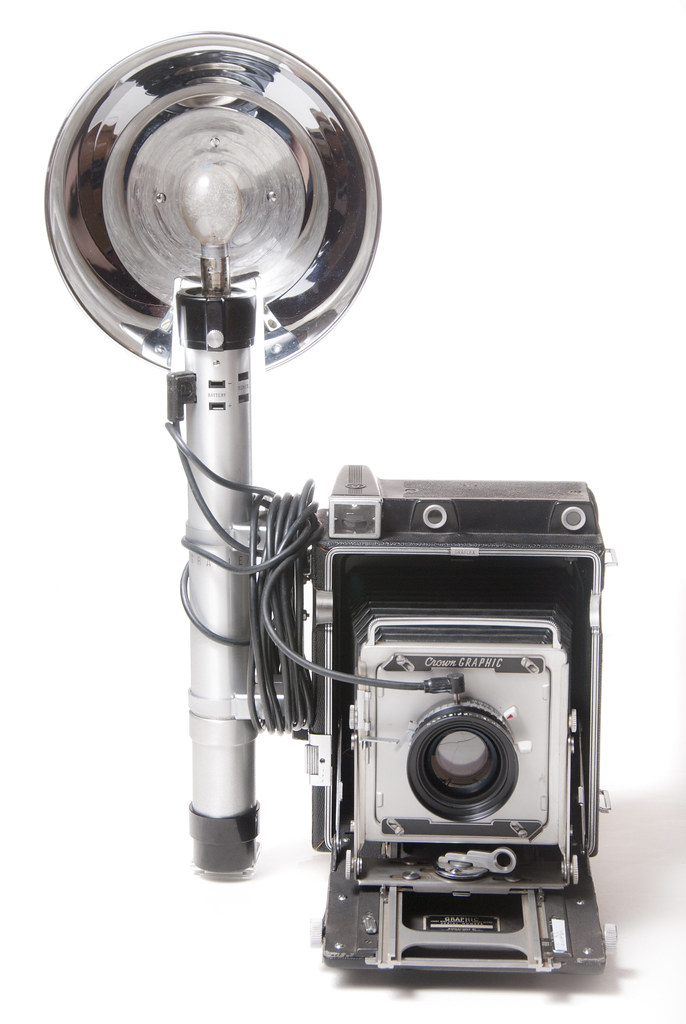
Analogies over, I find that for my uses the Crown Graphic is always my first choice for anything suitably "epic". As a witness to any amazing natural view with magic light the camera I would most want to have with me would be the Crown Graphic. And yet, since it takes time to use properly (and punishes careless use), it is really best suitable to things that are slightly predictable or can be waited for.
One highly predicatable situation is formal portraiture. The "shock and awe" that the awesome resolving power of that fat piece of film gives really adds power to a good portrait.
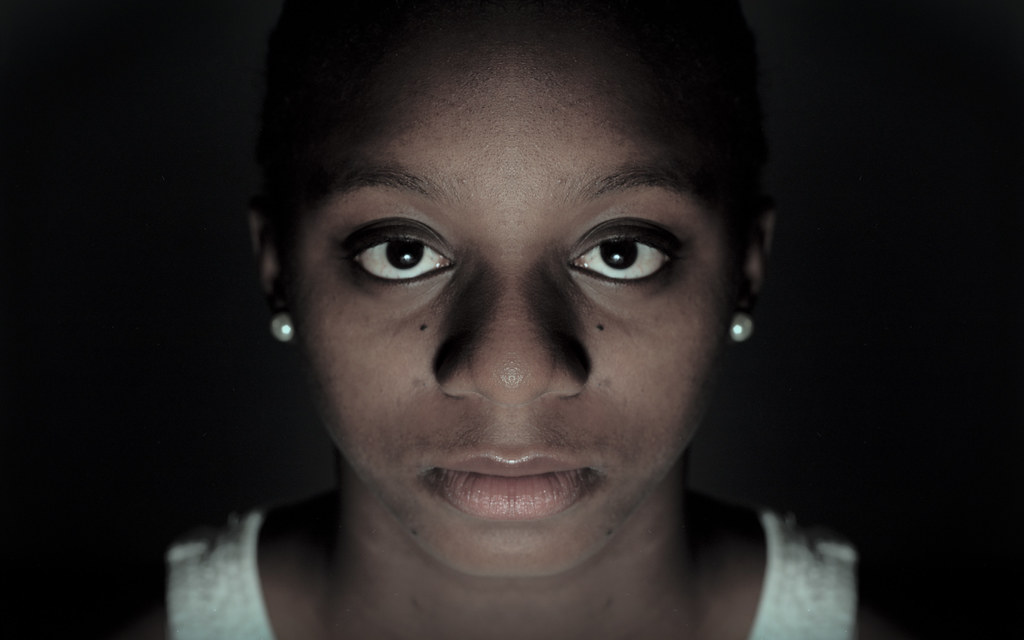
The Mamiya is good at these things as well but lacks the firepower of the Crown. In compensation it brings a higher rate of fire, cheaper "ammunition" and some automation such as built-in metering.
Lacking the punch of the big boys, the two Nikons fill in with all the photographic tasks that require good quality but lie outside the core strengths of the big cameras. Like an SUV compared with a semi they are well equipped to do an excellent job at most things that the semi could not even contemplate. Super telephoto, super wide angle, macro, automation. All things the Crown lacks. Ready for immediate use, one hand usable, good results without a tripod? Not the Crown. But the Nikons do all this and more with ease and aplomb.
So where does all of this leave my new cellphone camera?
Well, at 41 megapixel it theoretically places itself able to resolve more than the 35mm cameras and close to what the medium format camera can do. It is certainly faster and more portable than any of the other cameras in terms of speed of deployment. But in use, it is quickly clear that this is really more of a bicycle than any of the other cameras. As quickly as it can produce a usable image in many common circumstances it is capable of greatness in almost none. It is here let down by its sheer abundance of automation. It cannot be precisely controlled. As detailed as its sensor is it lacks the dynamic range of even my old Nikon D80, let alone the huge range available to any of the others when shooting modern colour negative film. Want to focus on that spider on his web? Nope. Can't. Need to lock it down for a low light or long distance shot? Nope. Need full control over the exposure? Nope. Want to change the lens or even the aperture? Out of luck again. How about something fast moving and you need the shutter to go off right when you press? Well, the only digital cameras that do that are DSLRs.
And what do you want to do with the pictures? Do you intend to work on them further? Perhaps print them? Well, I hope you like JPEGs because that's all you are getting. In fact, pretty much the only thing it surpasses at is capturing life's impromptu moments and sending them to Facebook as well as "sketching" passing things that catch the photographer's eye. It is a little like shooting instant film. What you get may be nice but whatever it is, you can forget about working further with it. It is what it is.
Do I sound unhappy? I am not. The 808 is just what I wanted. It is no worse for failing to be better at what my other cameras already do well. What the 808 does well, the other cameras can't do at all. That makes it a perfect addition to my arsenal.